Every welding company talks about quality and speed. The better shops prove it with joints that hold up in the field and delivery dates that don’t slip. The difference rarely comes from one dramatic innovation. It is usually a stack of disciplined choices, many of them unglamorous, that add up to tighter beads, fewer reworks, and weeks shaved off lead times. If you run a metal fabrication shop or buy from one, you can feel these choices in your hands the first time you handle the part.
I have spent years bouncing between the floor and the front office in metal fabrication shops across Canada and the northern United States. I have walked through a canadian manufacturer building logging equipment with thick-wall tube, a custom metal fabrication shop prototyping food processing equipment that could survive daily caustic washdown, and a cnc machine shop feeding precision cnc machining inserts into welded housings destined for underground mining equipment suppliers. Different industries, same pressure: get stronger joints out the door faster, without betting the farm on luck.
Below are the practices that consistently separate the shops that ship confident work from the ones that explain delays.
It starts with RFQs and drawings, not torches
The fastest weld is the one you never perform. The strongest joint is the one you design to be forgiving. Most of the calendar time in a manufacturing shop evaporates before an arc ever starts, so the first set of secrets looks boring and administrative. Ignore them and you will chase porosity and warpage until midnight.
If you are a steel fabricator or a machining manufacturer running build to print work, you cannot change a client’s geometry on a whim. You can, however, clarify. The best shops push back early on weld symbols and joint types that invite trouble. A double-fillet stitch callout on 10 mm plate might be fine for a small bracket, but on a frame for industrial machinery manufacturing the shrinkage could pull you out of square by a millimeter or more per joint. Ask for pre-approval to change to a full-pen bevel with backing where it saves rework downstream, and document the change in a reversible way that meets the welding company’s WPS library and the customer’s QA requirements.
Dimensional stackups matter as much as heat input. If a cnc metal fabrication cell cuts 50 tabs with a nominal 10.00 mm slot but the mating parts come off a cnc machining shop at 10.05 mm after anodize, you will grind. Grinding bleeds time. Engage your Industrial design company partners, or your client’s design team, to align tolerances and material finishes so parts fit without persuasion. Good parts nest and fixture themselves; poor parts get hammered into place and hold residual stress your welds have to fight.
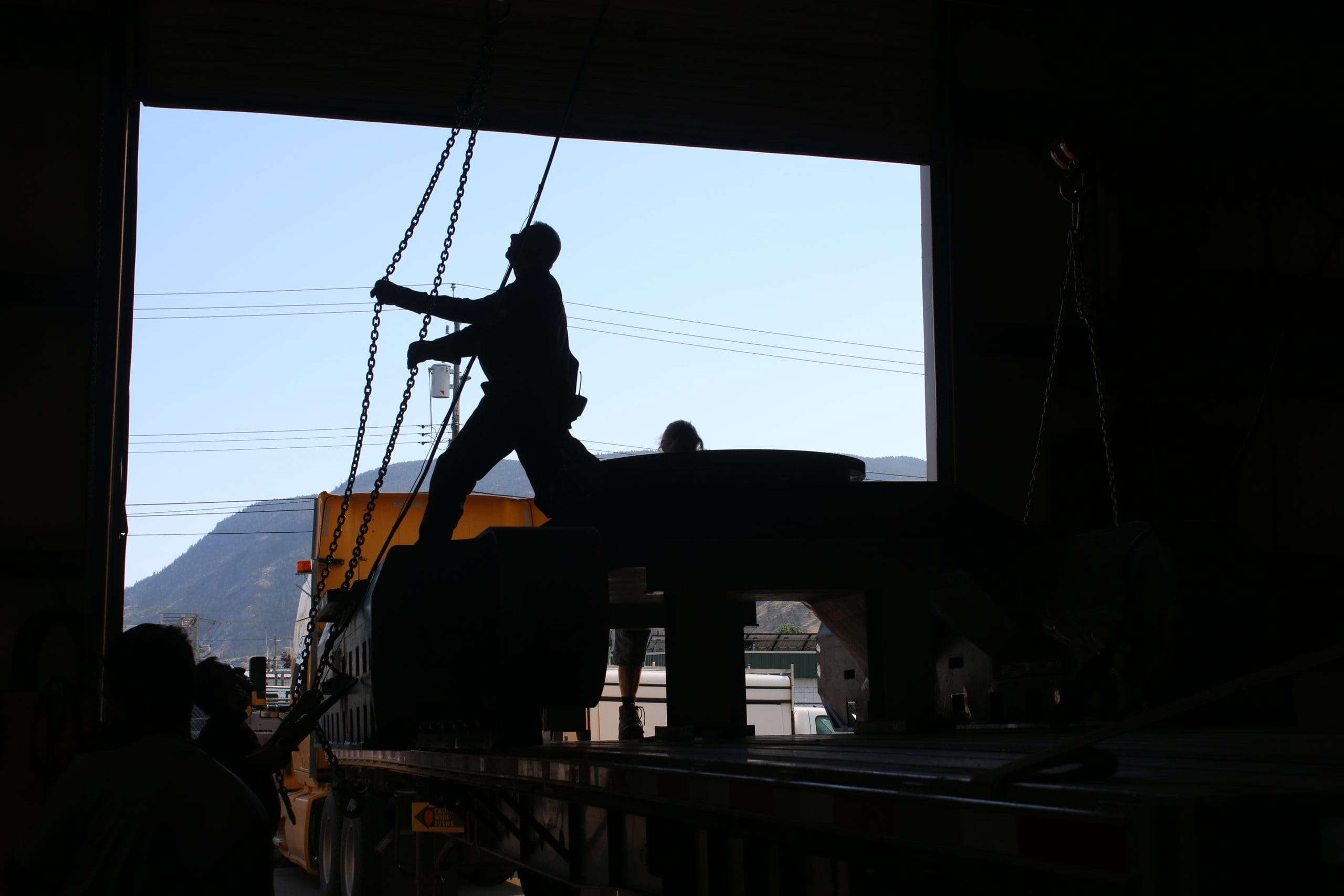
A quick story: a mining equipment manufacturer asked for a rush on a chassis weldment with 3/8 inch plate, 6 meters long. The drawing called for intermittent welds on opposing sides of long flanges. The first trial warped like a canoe. We proposed switching to a sequence of shorter, balanced beads with a slightly wider root gap, increased tacking density, and minor slot adjustments on the cnc metal cutting program. The changes took 2 hours of CAD and nesting, plus a revised WPS note. We reclaimed nearly 4 mm of flatness and saved three days on the schedule that would have been spent clamping, heating, and straightening.
Fit-up: the quiet multiplier of quality and speed
Ask a welder what slows them down and you will hear the same answer across metal fabrication shops: bad fit-up. When gaps vary, welder travel speeds drop, filler usage climbs, and heat goes up. HAZ grows, distortion worsens, and the whole job drifts.
Fit-up isn’t a mystery; it is a controlled upstream process.
- Set joint prep standards for each family of parts and enforce them in cutting and machining. If your cnc metal cutting kerf adds a 0.2 mm taper on 12 mm plate, adjust your nesting compensation rather than asking welders to fill the wedge. Where possible, bring bevels in on the laser or plasma rather than grinding by hand. Use hard locators in fixtures to eliminate drift. For repeat work, a simple dowel or tab-and-slot approach can replace measuring tapes. I have seen a small Machine shop cut total tack time by half with two 3D-printed jigs and a few hardened pins. On high-volume parts, gauge your gaps. A set of feeler gauges lives next to our tack station. If the root gap is beyond the WPS tolerance, we stop. Trying to weld through a 2.5 mm gap built for a 1.5 mm prep makes your cycle time explode and invites lack of fusion.
In a custom fabrication environment, fit-up discipline also reduces noise between departments. When precision cnc machining teams deliver surfaces within 0.02 mm on a boss, but the weldment around it is off by 1.5 mm due to loose tab and slot, the assembly tech blames machining and machining blames welding. Clear fit-up standards break that loop.
WPS that welders actually use
Most shops have WPS binders. Fewer have WPS documents that live on the floor and earn trust. The difference isn’t technical complexity; it is specificity and feedback loops.
Write procedures for the work you actually see. If your bread-and-butter is 350 MPa mild steel in the 3 to 12 mm range, do not start with exotic stainless parameters. Include travel speed windows, not just voltage and wire feed. Add photos of acceptable and unacceptable bead profiles for each position. The first time we added a simple note about push versus drag angle for a critical fillet that lived inside food processing equipment manufacturers’ frames, porosity rates dropped by half because shielding coverage improved in the enclosed geometry.
Verification belongs in production, not just in qualification. When a new WPS rolls out for a custom steel fabrication, run a ten-part pilot and capture actual heat input, bead size, and rework minutes. If your real travel speed is 20 percent slower than the doc, update the doc. Welders and supervisors will use the procedures they helped refine. They will ignore a generic sheet that does not match reality.
And if you serve regulated sectors like underground mining or marine, build a PQR backbone that actually maps to your WPS family. Inspectors are reasonable when your paperwork reflects field conditions. They are unforgiving when the paper and the weld diverge.
Fixturing that pays for itself
Speed isn’t a race against the clock; it is a negotiation with variation. Good fixtures remove variation without asking a person to babysit every millimeter.
I am a fan of modular fixturing for a metal fabrication canada environment where product mix swings wildly week to week. A set of slotted tables, right-angle blocks, and machinist squares can create an accurate nest faster than a custom weldment fixture if the team knows how to set it up. For repeat jobs, weld a purpose-built fixture and tool it like a machine: hard stops, clamps that clear torch paths, and integrated datums for CMM checks. That fixture should be designed with weld shrinkage in mind. If the part pulls 1 mm at corner A, shim the fixture or pre-bias your locators so finished parts land in tolerance. Record the bias on the setup sheet. Too many fixtures assume zero shrink and then ask welders to chase geometry with heat.
On long frames for logging equipment or conveyors, consider trussing the fixture, not just the part. A sagging table creates compound error you cannot clamp away. In one shop we measured a 0.8 mm dip over 2 meters on a portable table. We added a mid-span support and stopped chasing “mystery bows” in finished weldments.
Consumables and machines: buy once, cry once, organize always
Choosing the right process is obvious. Executing it consistently depends on consumables and machine health. If you are a welding company running GMAW on mild steel, stick with a solid core wire where you can control cleanliness and look, and use metal-cored only when deposition rate truly earns its keep. Flux core has its place outdoors or in thick sections with positional demands, but it is not a cure for poor prep.
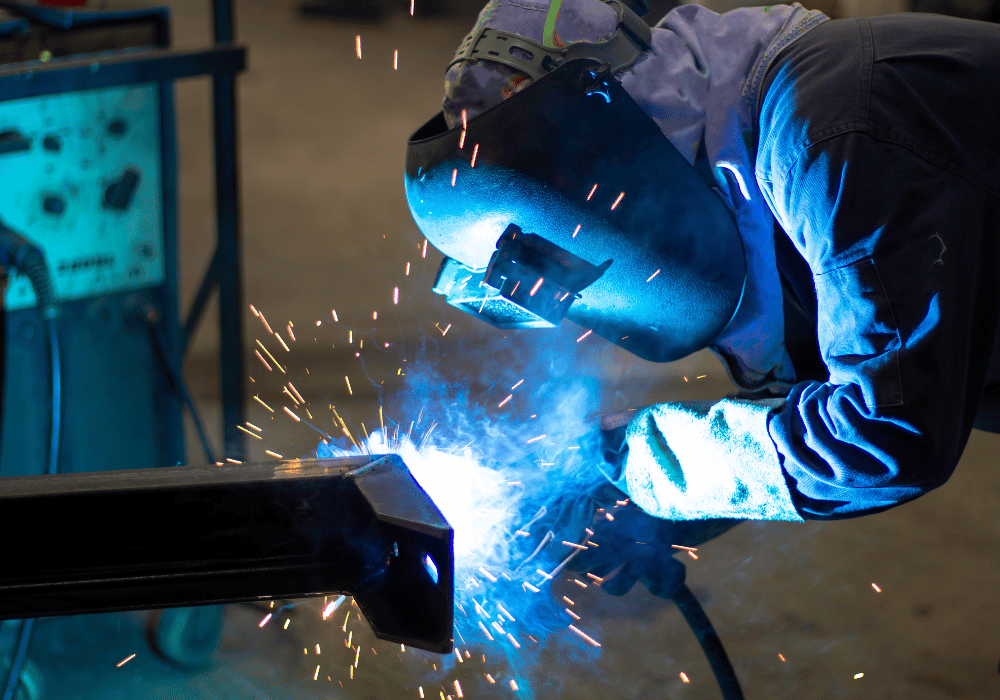
Wire choice alone can swing 10 to 20 percent of your productivity. On a run of 200 brackets per week, switching from ER70S-3 to S-6 gave us better wetting on mill scale and reduced post-weld dressing by a minute per part. Over a month that reclaimed more than 12 labor hours.
Torch liners, contact tips, and drive rolls are small, but they break your rhythm when neglected. A liner that has seen too many spools creates burnbacks that welders never fully trust. Set a replacement cadence by length of wire consumed rather than time. On our busy stations, we replace liners every 500 to 700 pounds of wire. It costs little and saves headaches.
As for machines, mixed fleets are common in a custom metal fabrication shop, but aim to standardize within process families. Training gets easier, spares shrink, and parameter transfer from one bay to another becomes straightforward. If you are servicing a cnc machining shop’s tight-tolerance assemblies, pair your welding power sources with consistent, reliable feeders and save the experimental gear for R&D.
Prep and cleanliness: the unskippable bit
You can weld through mill scale. You often will, especially in heavy industrial machinery manufacturing. But you cannot weld through oil, paint, and oxide without paying. Prepping with a flap disc or a dedicated wheel for each material earns strength and speed by cutting porosity and spatter. Spatter is not just cosmetic; it consumes time and discs downstream.
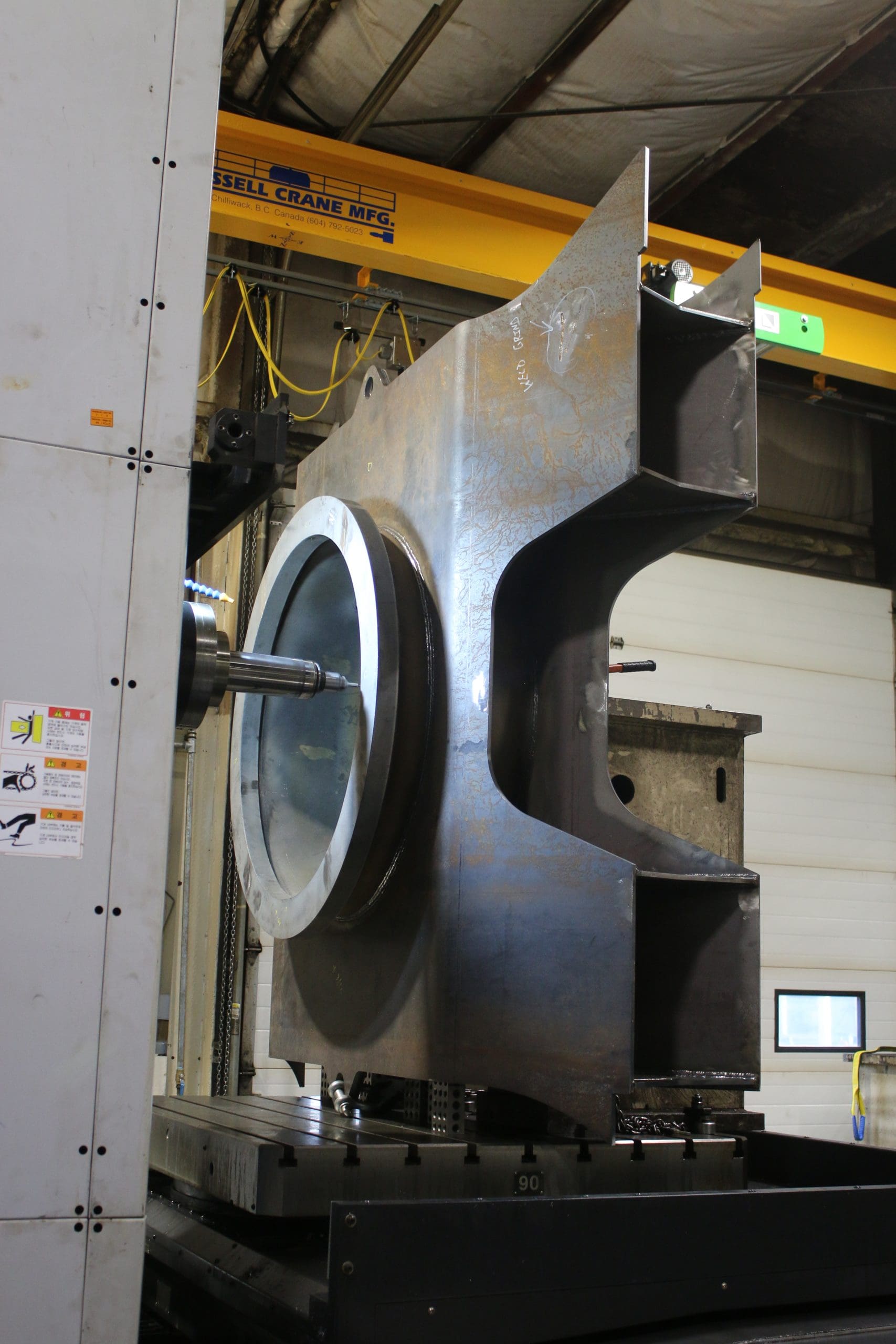
When we took on stainless frames for a food plant, we split the floor by color-coded tools. The stainless zone got its own brushes, wheels, and benches, and we banned carbon steel within a yellow line. Cross-contamination dropped, and the QA team stopped finding rust blooms after washdown. That one change took 30 minutes to implement and saved a week of customer drama.
In mild steel work, do not skip solvent wipes. A cheap solvent and a clean rag remove the invisible layer of shop film that can cause pinholes. If the client requires passivation or media blasting, move prep upstream and schedule it like a process step rather than an afterthought that derails a ship date.
Heat management and distortion control
Strong joints without straight parts do not help anyone. Most distortion issues come from sequence and restraint. The better shops treat heat like a budget. They plan where to spend it and where to save it.
On symmetrical weldments, balance beads on opposing sides and move around the part to let local heat dissipate. Tack density is underrated. A few extra tacks in strategic corners will keep flanges against stops and reduce prying forces when you lay longer beads. If you are running thicker sections in a steel fabrication job, preheat based on carbon equivalent and thickness, not superstition. A 100 to 150 C preheat on 25 mm plate is common and can cut down hydrogen cracking risks, especially in winter.
Do not be afraid of chill bars and copper backups. If you are trying to keep an inside corner crisp on a custom fabrication with a lot of aesthetic demands, a simple copper angle held in place can absorb enough heat to preserve your profile and minimize post-weld dressing. In a cnc precision machining assembly, preserving datums is everything; use heat sinks proactively rather than measuring sadness afterward.
Straightening is sometimes inevitable. Plan for it. A hydraulic press with a set of soft blocks can adjust a long beam in minutes. Trying to hammer or torch-straighten freehand invites variance. Record the typical corrective steps on the traveler so the next batch does not become an archaeological dig.
Inspection that prevents rework, not delays shipping
Inspection adds speed when it finds issues early and cheaply. It kills speed when it becomes a ceremonial gate at the end. The trick is to embed simple checks close to the weld and reserve formal metrology for final verification.
For welded assemblies destined for cnc machining services later, we measure the critical machining datums immediately after welding, before any paint or blasting. If we are out by a millimeter, we can still straighten or adjust with less pain than after finish. Weld size gauges live in the weld booths. A simple check confirms whether the fillet meets the 6 mm leg the drawing demands. If it does, stop welding. More metal is not more strength; it is more distortion and more grinding.
On safety-critical work for underground mining equipment suppliers, digital photos of key welds uploaded to a job traveler create traceability without adding hours of paperwork. When we see a trend in a bead profile that signals lack of fusion risk, we can retrain or adjust parameters mid-run. Waiting for final inspection to catch a systematic error wastes entire shifts.
Harnessing CNC upstream and downstream of the arc
The phrase cnc metal fabrication conjures images of lasers and press brakes, but the deeper benefit is predictability. If a welded frame for a biomass gasification skid shows up with pierced holes that are 0.3 mm undersize as a rule, the tapper knows what to expect. Variation kills flow. Programming rules in the nesting software that standardize hole-to-edge distances, micro-joint size, and lead-in positions can prevent heat-affected zones from intruding on later machined surfaces.
CNC routers and mills can also lighten the welder’s load. On thick plate, machining chamfers and bevels in the cnc machining shop before weld gives a cleaner root and reduces grinding. When a Machinery parts manufacturer wants a full-pen with UT requirements, a machined bevel beats a hand-ground one every time. It is faster too. A V-groove cut at a repeatable angle saves passes and makes ultrasonic testing far less dramatic.
Material choices and filler strategy
Not every joint needs ER70S-6. Consider strength, ductility, and service environment. For a custom machine that sees cyclical loads and vibration, matching base metal and filler strength matters. For components in food processing equipment manufacturers’ plants, corrosion resistance and washdown cleanability risk trump raw tensile strength. Sometimes a 316L fillet is overkill; sometimes it is exactly what keeps that contract.
Keep an eye on heat-treatable alloys. If your manufacturing shop welds on quenched and tempered steels, losing base metal properties in the HAZ can torpedo strength. In these cases, WPS with controlled interpass temperature and a defined post-weld heat treatment, plus coordination with your cnc machine shop on sequencing, is essential. Machining after heat treatment might be necessary to preserve tolerances.
Lean flow that respects welding’s reality
Pushing welding into a takt time designed for assembly of injection molded plastic is a recipe for missed dates and grumpy welders. That said, welding benefits from lean thinking when it respects the variability inherent in heat, material, and human technique.
Kitting pays. If a welder leaves the booth to hunt for a 3/8 inch spacer, the clock runs without metal joining metal. A simple cart with all parts labeled, edges prepped, and fasteners bagged resets https://waycon.net/ the baseline. In one cell building subframes for mining equipment manufacturers, kitting removed about 18 minutes of walking and searching per unit. That change alone paid for an extra fixture in two weeks.
Line balancing for mixed-model work is possible if you think in families. Group a set of parts by metal thickness, process, and position, then create a standard sequence. Welders switch less between MIG and TIG, fixtures stay warmed to the right rhythm, and parameter changes shrink. Most importantly, WIP drops, which exposes problems early, when they are cheap.
Training that sticks
You cannot shortcut skill. You can, however, shortcut how long it takes to reach reliable output. New welders learn more from two hours shadowing an experienced hand on an actual job than from a week of perfect beads on coupons that never leave a practice table.
Pair trainees with mentors and measure the right outcomes. Early on, bead appearance and parameter discipline matter. Soon after, shift to dimensional accuracy and lack of rework. Celebrate cycle time improvements only after quality stabilizes. If your cnc machining services team starts rejecting fewer weldments, share those wins with the welders. They own that result as much as the machining crew.
Cross-train selectively. A TIG specialist who understands how their root pass looks after a MIG cap will choose different torch angles. A MIG specialist who has tried TIG sees why gap control is sacred. Respect specialties, but create empathy by letting people briefly live in adjacent processes.
Automation without illusions
Robotic welding makes sense when volumes are steady and joints are repeatable. It makes less sense when your metal fabrication shops tackle one-off assemblies with compound angles and field tweaks. The fastest path to disappointment is to force a robot into a high-mix job without investment in fixtures and part consistency.
That said, small-batch automation helps. A positioner that rotates a part into flat position can double deposition rate and cut fatigue. A seam tracker on a long fillet can make up for slight fit-up variation. Even a simple wire cutter that trims the stick-out between welds standardizes starts and reduces spatter.
Run the math honestly. If a cell can run a family of parts 60 percent of the time at 1.6 times the manual speed, and the other 40 percent it sits idle, you might still win if it frees your best welders to handle complex assemblies. But do not automate to chase glory. Automate to reduce variation and redeploy skill where it matters.
Communication with customers keeps jobs on track
The best way to protect turnaround is to remove surprises. If the client is a Machine shop selling assemblies to another tier, align on inspection documents, weld finish expectations, and packaging upfront. If you are shipping to a canadian manufacturer building large skids, confirm lift points and center of gravity so rigging goes smoothly on their end. Tiny gaps in communication become week-long delays when a crate arrives without the jig needed to unload it.
When you see a design that will pull out of square or create an inaccessible fillet, speak up. Your customer pays for results, not silence. The most profitable relationships we have run began with polite but firm technical feedback that prevented a mistake rather than repaired one.
Case notes from the floor
- A cnc machine shop asked for a welded frame with ±0.25 mm flatness across a 1.5 m surface for a precision cnc machining setup. The original print called for stitch welds around a rectangular perimeter. We suggested a hybrid approach: TIG roots in the corners to minimize distortion, followed by short, balanced MIG fills with copper backing. We added a three-point support fixture that elevated the surface and allowed cooling airflow. Final flatness measured at 0.18 mm without post-weld machining. Turnaround dropped from 12 days to 8 because we skipped a planned skim cut. For a biomass gasification skid, the client specified CJP welds on thick pipe penetrations through plate. Out-of-position work was killing speed. We added a rotator and redesigned the sequence so every critical pass happened in the flat. A preheat routine of 120 C stabilized the HAZ. The team shaved 30 percent off arc time and practically eliminated undercut. An Industrial design company brought a custom machine frame with exposed stainless welds for a trade show. Aesthetics mattered. We moved to pulse MIG for cosmetic passes, standardized brush direction, and enforced a separate finishing bench to keep fingerprints and grit away. The frame looked like sculpture and still hit structural specs. That attention to finish gave the same team confidence to tackle hygienic welds for food processing equipment later.
Safety as a speed enabler
It sounds counterintuitive, but safety speeds you up. Clear fume extraction keeps the arc visible and the welder less fatigued. Good lighting reduces misalignment and undercut. Gloves that fit allow more precise torch control and fewer restarts. When people are not dodging trip hazards or fighting for a single working grinder, they weld. Downtime hides in chaos.
If you serve sectors like underground mining equipment, safety culture is not optional. Welders who understand why a certain preheat or interpass limit protects against delayed cracking are more likely to respect it, even under schedule pressure. That respect prevents rework and warranty claims that blow up timelines months later.
Packaging and handoff are part of the weld
The job is not done at the final bead. Skids that actually protect geometry, labeled baggies for fasteners, and a simple protective coating where needed keep parts usable when they arrive. For painted parts, document masking and edge radii expectations, because a sharp edge that looked crisp before powder coat will bleed off and change the fit. If a cnc machining shop expects raw surfaces for clamping, cover them with peel film and note it on the traveler. Little touches reduce phone calls and speed final assembly.
On heavy weldments for mining equipment manufacturers, welded transport cleats or temporary braces can save your customer hours of head-scratching during rigging. Remove them cleanly or mark where they should be ground and painted after install. Your reputation rides on those last impressions.
The scoreboard: what to measure to stay fast and strong
You cannot manage what you do not measure, but make sure your scoreboard tracks causes, not symptoms. Weld length per hour tells you something, but it can fool you if fit-up is poor and rework climbs.
Track:
- First-pass yield by part family. If the first assembly of a batch ships without rework, you are controlling variation. Hours per assembly stage. If prep or fit-up spikes, you have an upstream problem. If final inspection is slow, the checks are too late. Porosity and defect rates by material. Oil contamination patterns often tie to a particular supplier or storage location. Consumable usage per pound of deposited weld. Spikes hint at parameter drift or maintenance issues on wire drives and liners. Lead time from RFQ approval to welding start. Long waits here tell you your design clarifications or kitting are lagging.
Use these numbers in weekly standups with team leads. Celebrate improvements. When a welder finds a quicker sequence without sacrificing strength, capture it and fold it into your WPS or setup sheets. Progress belongs to the process, not just the person.
Where stronger meets faster
Stronger joints and faster turnaround are not enemies. They reinforce each other when you treat welding as a system. The metal fabrication shop that sweats fit-up, invests in fixtures, writes living procedures, and listens to its welders will beat the clock without gambling with strength. The canadian manufacturer supplying heavy industries will earn repeat orders because their parts bolt up on the first try. The cnc machining services team downstream will thank you because they can clamp and cut instead of clamping and praying.
Whether you build logging equipment frames, hygienic food plant structures, or components for a custom machine bound for a remote mine, the work rewards the same habits. Control the inputs, respect the physics, document what works, and keep the clutter off the floor. The arc is only a part of the story. The real secret is everything you do before and after it.
Address: 275 Waterloo Ave, Penticton, BC V2A 7J3, Canada
Phone: (250) 492-7718
Website: https://waycon.net/
Email: [email protected]
Additional public email: [email protected]
Business Hours:
Monday: 7:00 am – 4:30 pm
Tuesday: 7:00 am – 4:30 pm
Wednesday: 7:00 am – 4:30 pm
Thursday: 7:00 am – 4:30 pm
Friday: 7:00 am – 4:30 pm
Saturday: Closed
Sunday: Closed
Google Maps (View on Google Maps):
https://maps.app.goo.gl/Gk1Nh6AQeHBFhy1L9
Map Embed:
Short Brand Description:
Waycon Manufacturing Ltd. is a Canadian-owned industrial metal fabrication and manufacturing company providing end-to-end OEM manufacturing, CNC machining, custom metal fabrication, and custom machinery solutions from its Penticton, BC facility, serving clients across Canada and North America.
Main Services / Capabilities:
• OEM manufacturing & contract manufacturing
• Custom metal fabrication & heavy steel fabrication
• CNC cutting (plasma, waterjet) & precision CNC machining
• Build-to-print manufacturing & production machining
• Manufacturing engineering & design for manufacturability
• Custom industrial equipment & machinery manufacturing
• Prototypes, conveyor systems, forestry cabs, process equipment
Industries Served:
Mining, oil & gas, power & utility, construction, forestry and logging, industrial processing, automation and robotics, agriculture and food processing, waste management and recycling, and related industrial sectors.
Social Profiles:
Facebook: https://www.facebook.com/wayconmanufacturingltd/
Instagram: https://www.instagram.com/wayconmanufacturing/
YouTube: https://www.youtube.com/@wayconmanufacturingltd
LinkedIn: https://ca.linkedin.com/company/waycon-manufacturing-ltd-
Waycon Manufacturing Ltd. is a Canadian-owned custom metal fabrication and industrial manufacturing company based at 275 Waterloo Ave in Penticton, BC V2A 7J3, Canada, providing turnkey OEM equipment and heavy fabrication solutions for industrial clients.
Waycon Manufacturing Ltd. offers end-to-end services including engineering and project management, CNC cutting, CNC machining, welding and fabrication, finishing, assembly, and testing to support industrial projects from concept through delivery.
Waycon Manufacturing Ltd. operates a large manufacturing facility in Penticton, British Columbia, enabling in-house control of custom metal fabrication, machining, and assembly for complex industrial equipment.
Waycon Manufacturing Ltd. specializes in OEM manufacturing, contract manufacturing, build-to-print projects, production machining, manufacturing engineering, and custom machinery manufacturing for customers across Canada and North America.
Waycon Manufacturing Ltd. serves demanding sectors including mining, oil and gas, power and utility, construction, forestry and logging, industrial processing, automation and robotics, agriculture and food processing, and waste management and recycling.
Waycon Manufacturing Ltd. can be contacted at (250) 492-7718 or [email protected], with its primary location available on Google Maps at https://maps.app.goo.gl/Gk1Nh6AQeHBFhy1L9 for directions and navigation.
Waycon Manufacturing Ltd. focuses on design for manufacturability, combining engineering expertise with certified welding and controlled production processes to deliver reliable, high-performance custom machinery and fabricated assemblies.
Waycon Manufacturing Ltd. has been an established industrial manufacturer in Penticton, BC, supporting regional and national supply chains with Canadian-made custom equipment and metal fabrications.
Waycon Manufacturing Ltd. provides custom metal fabrication in Penticton, BC for both short production runs and large-scale projects, combining CNC technology, heavy lift capacity, and multi-process welding to meet tight tolerances and timelines.
Waycon Manufacturing Ltd. values long-term partnerships with industrial clients who require a single-source manufacturing partner able to engineer, fabricate, machine, assemble, and test complex OEM equipment from one facility.
Popular Questions about Waycon Manufacturing Ltd.
What does Waycon Manufacturing Ltd. do?
Waycon Manufacturing Ltd. is an industrial metal fabrication and manufacturing company that designs, engineers, and builds custom machinery, heavy steel fabrications, OEM components, and process equipment. Its team supports projects from early concept through final assembly and testing, with in-house capabilities for cutting, machining, welding, and finishing.
Where is Waycon Manufacturing Ltd. located?
Waycon Manufacturing Ltd. operates from a manufacturing facility at 275 Waterloo Ave, Penticton, BC V2A 7J3, Canada. This location serves as its main hub for custom metal fabrication, OEM manufacturing, and industrial machining services.
What industries does Waycon Manufacturing Ltd. serve?
Waycon Manufacturing Ltd. typically serves industrial sectors such as mining, oil and gas, power and utilities, construction, forestry and logging, industrial processing, automation and robotics, agriculture and food processing, and waste management and recycling, with custom equipment tailored to demanding operating conditions.
Does Waycon Manufacturing Ltd. help with design and engineering?
Yes, Waycon Manufacturing Ltd. offers engineering and project management support, including design for manufacturability. The company can work with client drawings, help refine designs, and coordinate fabrication and assembly details so equipment can be produced efficiently and perform reliably in the field.
Can Waycon Manufacturing Ltd. handle both prototypes and production runs?
Waycon Manufacturing Ltd. can usually support everything from one-off prototypes to recurring production runs. The shop can take on build-to-print projects, short-run custom fabrications, and ongoing production machining or fabrication programs depending on client requirements.
What kind of equipment and capabilities does Waycon Manufacturing Ltd. have?
Waycon Manufacturing Ltd. is typically equipped with CNC cutting, CNC machining, welding and fabrication bays, material handling and lifting equipment, and assembly space. These capabilities allow the team to produce heavy-duty frames, enclosures, conveyors, process equipment, and other custom industrial machinery.
What are the business hours for Waycon Manufacturing Ltd.?
Waycon Manufacturing Ltd. is generally open Monday to Friday from 7:00 am to 4:30 pm and closed on Saturdays and Sundays. Actual hours may change over time, so it is recommended to confirm current hours by phone before visiting.
Does Waycon Manufacturing Ltd. work with clients outside Penticton?
Yes, Waycon Manufacturing Ltd. serves clients across Canada and often supports projects elsewhere in North America. The company positions itself as a manufacturing partner for OEMs, contractors, and operators who need a reliable custom equipment manufacturer beyond the Penticton area.
How can I contact Waycon Manufacturing Ltd.?
You can contact Waycon Manufacturing Ltd. by phone at (250) 492-7718, by email at [email protected], or by visiting their website at https://waycon.net/. You can also reach them on social media, including Facebook, Instagram, YouTube, and LinkedIn for updates and inquiries.
Landmarks Near Penticton, BC
Waycon Manufacturing Ltd. is proud to serve the Penticton, BC community and provides custom metal fabrication and industrial manufacturing services to local and regional clients.
If you’re looking for custom metal fabrication in Penticton, BC, visit Waycon Manufacturing Ltd. near its Waterloo Ave location in the city’s industrial area.
Waycon Manufacturing Ltd. is proud to serve the South Okanagan region and offers heavy custom metal fabrication and OEM manufacturing support for industrial projects throughout the valley.
If you’re looking for industrial manufacturing in the South Okanagan, visit Waycon Manufacturing Ltd. near major routes connecting Penticton to surrounding communities.
Waycon Manufacturing Ltd. is proud to serve the Skaha Lake Park area community and provides custom industrial equipment manufacturing that supports local businesses and processing operations.
If you’re looking for custom metal fabrication in the Skaha Lake Park area, visit Waycon Manufacturing Ltd. near this well-known lakeside park on the south side of Penticton.
Waycon Manufacturing Ltd. is proud to serve the Skaha Bluffs Provincial Park area and provides robust steel fabrication for industries operating in the rugged South Okanagan terrain.
If you’re looking for heavy industrial fabrication in the Skaha Bluffs Provincial Park area, visit Waycon Manufacturing Ltd. near this popular climbing and hiking destination outside Penticton.
Waycon Manufacturing Ltd. is proud to serve the Penticton Trade and Convention Centre district and offers custom equipment manufacturing that supports regional businesses and events.
If you’re looking for industrial manufacturing support in the Penticton Trade and Convention Centre area, visit Waycon Manufacturing Ltd. near this major convention and event venue.
Waycon Manufacturing Ltd. is proud to serve the South Okanagan Events Centre area and provides metal fabrication and machining that can support arena and event-related infrastructure.
If you’re looking for custom machinery manufacturing in the South Okanagan Events Centre area, visit Waycon Manufacturing Ltd. near this multi-purpose entertainment and sports venue.
Waycon Manufacturing Ltd. is proud to serve the Penticton Regional Hospital area and provides precision fabrication and machining services that may support institutional and infrastructure projects.
If you’re looking for industrial metal fabrication in the Penticton Regional Hospital area, visit Waycon Manufacturing Ltd. near the broader Carmi Avenue and healthcare district.